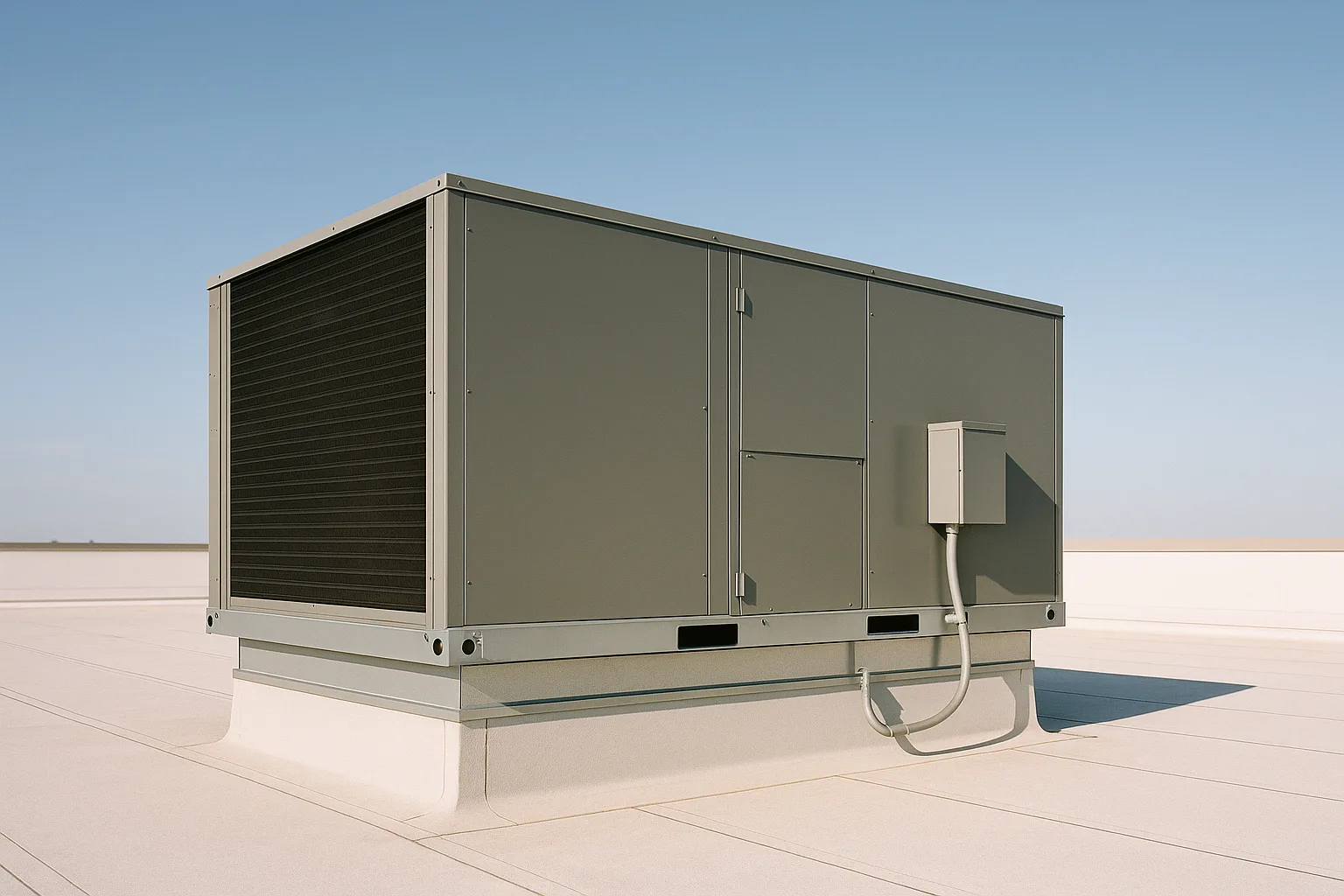
Top 3 AC Brands Recommended for Miami Beach's Climate in 2026
Published: 2026-05-18 · By AC Repair Near Me Miami
As the aroma of the ocean fills the air and the rhythmic sound of waves sets the backdrop, Miami Beach residents know all too well the importance of reliable air conditioning. Imagine returning home after a day at the beach during peak summer, only to find your AC unit barely keeping up with the tropical heat and 90% humidity. The salty ocean breeze, although refreshing, can wreak havoc on HVAC systems, leading to breakdowns and repairs at the worst times. In 2026, choosing an air conditioner that can withstand Miami Beach's unique climate conditions is more critical than ever.
Why This Matters for Miami Beach Homeowners
Humidity is a constant factor in Miami Beach, contributing to mold growth and corrosion in residential properties. Homeowners need to consider the effects of the sea air which accelerates wear on metal components in air conditioning systems. This can lead to unexpected failures, requiring repairs often when you need your air conditioning the most. Furthermore, the high frequency of tropical storms and hurricanes necessitates not just effective cooling systems, but those designed for durability.
Florida's building regulations often emphasize moisture barriers for homes, making it essential for air conditioning units to work in harmony with these design features. If you're skimping on a reliable brand or proper maintenance, your comfort, health, and safety could be at risk.
Expert Solutions & Actionable Tips
1. Consider Energy Efficiency Ratings
In Miami Beach, energy-efficient AC units not only save you money but also decrease the wear on your system due to their optimized performance in humid air. Look for units with a SEER (Seasonal Energy Efficiency Ratio) of 16 or higher. While the initial investment can reach between $3,500 to $7,500, energy savings can lower your utility bill by 20% or more.
2. Choose Corrosion-Resistant Features
Salt air is a major foe against standard HVAC systems; hence, selecting an air conditioner that includes corrosion-resistant coatings on coils and cabinets is crucial. Brands offering these features may have a slightly higher price, typically around $4,000 to $8,000, but they can greatly extend the lifespan of your unit. This is particularly vital for homes situated closer to the ocean.
3. Get a Reliable Warranty
The harsh Miami climate makes extensive warranties crucial. Seek out brands that offer 10 years or more on parts and labor. While selecting such options might increase the cost by approximately $500 to $1,000, this safety net can protect you from unexpected repairs that might arise due to environmental stressors that are common here.
4. Prepare for Proper Installation
Even the best AC unit can underperform if installed incorrectly. In Miami Beach, professional installation can cost between $1,100 and $2,500, but this ensures your HVAC system runs efficiently and complies with local building codes. Investing in a certified technician is vital to maximize performance and longevity.
5. Consider Smart Thermostats
Smart thermostats are boon in humid climates like Miami’s, where temperature control can mean the difference between comfort and discomfort. On average, these devices cost between $100 and $300 but can learn your cooling habits and optimize energy use, potentially offering savings of 10-15% on energy bills while ensuring consistent indoor temperatures.
6. Regular Maintenance is Key
Regularly scheduled maintenance is critical. It’s recommended to have your AC serviced annually, ideally before the heavy summer season. In South Florida, this can cost anywhere from $70 to $200. This ensures the unit is not only clean but also working efficiently before peak usage periods.
Miami Beach Climate & Local Context
Miami Beach’s tropical climate poses unique challenges for homeowners, particularly when it comes to air conditioning systems. The hot summer months, coupled with high humidity, put additional strain on these units. Local building codes often require homes to incorporate moisture barriers, which can complicate AC installations. Any retrofits done need to adhere to these standards, so it's imperative to work with professionals familiar with Miami Beach’s regulations.
New builds often include advanced HVAC positioning to take full advantage of cross-ventilation and reduce strain on air conditioners. This clever integration with the local architecture can enhance system efficiency and longevity. Therefore, when selecting an AC brand for your home, understanding how well the unit performs in relation to your specific home design and Miami’s stringent building codes is paramount.
When to Call a Professional
Deciding whether to tackle an AC repair yourself or call in a professional in Miami Beach can be a daunting decision. If your system suffers from minor hiccups like a dirty filter, you might handle it yourself. However, for anything more serious, it's wise to enlist expert help for both safety and efficiency. Look out for these red flags indicating a need for professional intervention:
- Unusual noises coming from the unit
- Increased energy bills without changes in usage
- Inconsistent temperatures throughout your home
- Excessive moisture or leaks around the AC
- Frequent system cycling on and off
- Error codes or warning lights on the thermostat
In humid climates like Miami Beach, neglecting these signs can lead to more significant issues and costlier repairs down the line.
Frequently Asked Questions
What is the best time of year to get an AC unit installed in Miami Beach?
The best time to replace or install an AC unit in Miami Beach is during the shoulder season, typically in the spring or fall, when temperatures are milder and contractors are less busy.
Do I need a permit for an AC installation in Miami Beach?
Yes, any new AC installation in Miami Beach typically requires a permit, ensuring compliance with local building codes and standards.
How often should I service my AC unit in Miami Beach?
In humid climates like Miami Beach, it is recommended to service your AC unit at least once a year to maintain its efficiency and prolong its lifespan.
What's the average lifespan of an AC unit in Florida?
In Florida, the average lifespan of an air conditioning unit ranges from 10 to 15 years, depending on usage and maintenance.
Can my AC break due to salt air exposure?
Yes, salt air can cause corrosion and wear on metal parts of your AC unit, increasing maintenance frequency and affecting overall performance.
Get Expert Air Conditioning Repair Service in Miami Beach
Consider the unique challenges of the Miami Beach climate when choosing your next air conditioning unit. Reliability is key! If you need assistance, contact (786) 767-5270, and let AC Repair Near Me Miami ensure your home stays comfortable all year round.
Your well-being is just a call away—don’t hesitate to reach out for expert guidance and service tailored to the Miami Beach environment.